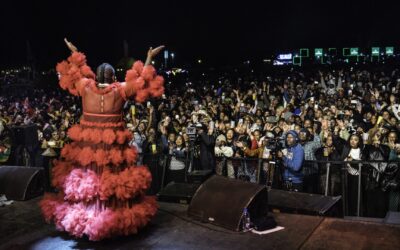
In a landmark development for arts, culture and economic policy in Africa, a newly released Economic Impact Assessment by the North-West University (NWU) in South Africa has found that MTN Bushfire 2025 generated a staggering E121.2 million towards Eswatini’s economy.
The independent study represents one of the most comprehensive, data-driven evaluations to date of the festival’s full economic footprint in Eswatini. It marks a significant turning point in how cultural events are valued, funded and leveraged for long-term sustainable development.
Measured through a structured economic impact framework, the festival’s contribution is shaped by four key factors which comprise of the number of visitors, length of stay, visitor spending, and the multiplier effect generated as money circulates through the economy. Together, these elements position MTN Bushfire as more than just as a cultural showcase, but a strategic economic driver.
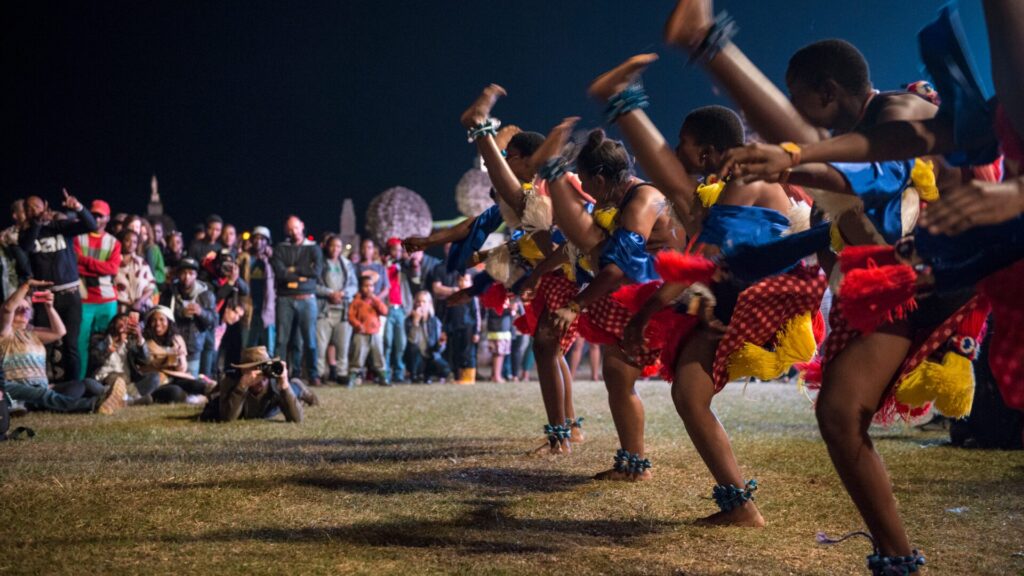
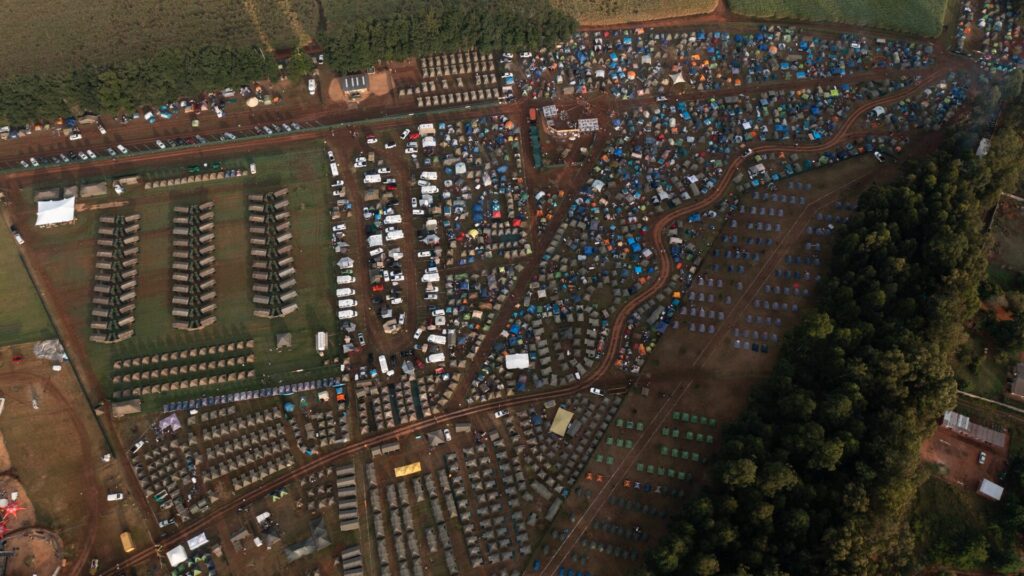
At the heart of the festival’s impact is tourism. MTN Bushfire records an annual attendance of over 23,000 attendees from over 55 countries who make the journey to House On Fire in the scenic Malkerns Valley of Eswatini for one of Africa’s most renowned celebrations of arts, culture and social inclusion.
Accommodation providers, transport operators, restaurants, retailers and informal traders all benefit directly from this influx which is stimulated by longer visitor stays and the subsequent increase in tourism receipts generated throughout the festival’s 3-day duration. In fact, the NWU study cites that over 25% of respondents stayed four nights or more in 2025, while approximately 36% of visitors travelled to other parts of Eswatini, visiting urban centres and nature reserves during the festival period.
The Minister of Tourism & Environmental Affairs, Honourable Jane Mkhonta-Simelane, expressed that the festival’s impact played a pivotal role in affirming Eswatini’s global positioning as a competitive, sustainable and high-value tourism destination.
“The E121.2 million contribution underscores our focus on increasing international arrivals, extending length of stay, dispersing visitors across the country and ensuring that tourism growth translates into inclusive economic benefits for local communities, businesses and jobs. MTN Bushfire strengthens Eswatini’s brand as a competitive, sustainable and culturally rich destination,” explained the Minister.
The findings by NWU align closely with evidence presented in a 2025 UNESCO report on the cultural, social, economic and environmental impact of arts and cultural festivals. This research was conducted across ten major arts and cultural festivals (including MTN Bushfire) in nine countries in Southern Africa.
The report titled “Creating for the Future: Harnessing Southern Africa’s Arts and Cultural Festivals for Sustainable Development”, offers a socio-cultural and environmental analysis of the festivals, as well as a thorough assessment of their economic impact across the region.
UNESCO’s findings highlight six core areas where arts and cultural festivals deliver lasting impact. These comprise artistic expression, community engagement, economic growth, cultural preservation, international exchange, and long-term resilience. These six pillars are deeply embedded in MTN Bushfire’s founding values and sustainability practices which manifest every year through its role in facilitating creative innovation, stimulating tourism, strengthening local economies, and connecting Eswatini to the world, all while celebrating cultural identity and championing sustainability.
This research further confirms that every $1 invested in the production of these Southern African festivals generates a significant multiplier.
“[…] One can extrapolate that for every US$ 1 invested on the production of the festivals towards the local economy, an additional amount of US$2 .51 is indirectly injected by non-local visitors through purchases of local services and goods. Similarly for every four jobs directly created by these festivals one job is created in the local economy,” cites the report.
Reflecting on the significance of the findings for the creative sector and Eswatini’s broader development agenda, Co-Founding Director of MTN Bushfire, Jiggs Thorne, accentuated the importance of sustained investment in research and data collection to provide clear, credible evidence of the arts’ transformative economic, social and environmental impact.
“This dual validation from NWU and UNESCO is instrumental in quantifying the tangible impact that creative platforms have in supporting sustainable economic growth, advancing environmental stewardship, and encouraging social inclusivity,” said Thorne.
“The strategic integration of accurate data enables us to move beyond anecdotal evidence and make informed decisions that validate the creative industry as vital engines for achieving national economic priorities and supporting global development agendas. This is a big win for Eswatini, one that reinforces our #BRINGYOURFIRE call to action for positive social and environmental change, and sets a powerful precedent for generations to come,” he said.
Both studies offer tangible insights into MTN Bushfire’s far-reaching influence as a critical catalyst for national GDP growth and platform for addressing socio-economic issues. This is a laudable outcome of the festival’s founding values, job creation and the empowerment of local businesses.
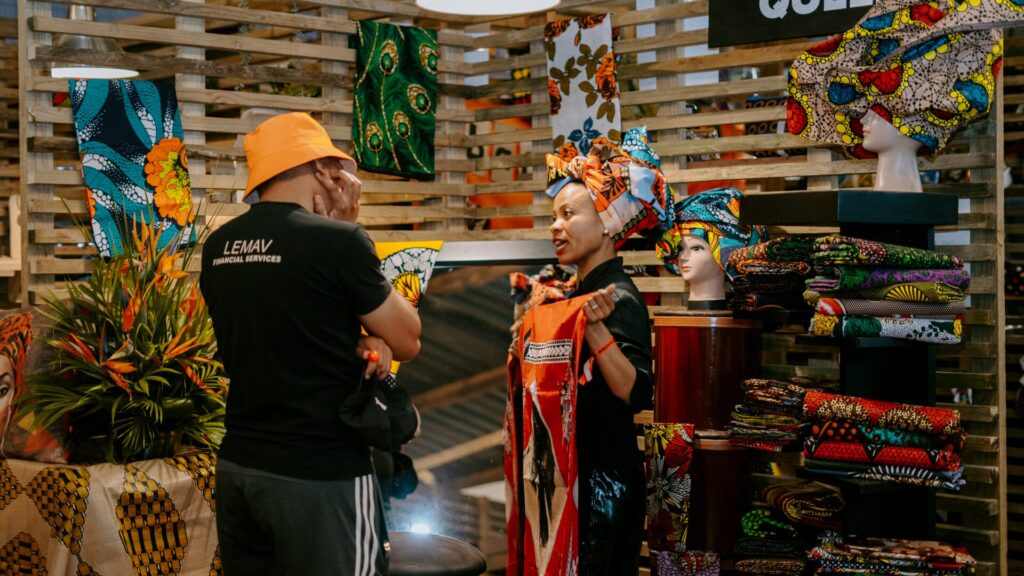
Beyond tourism and visitor expenditure, over 70% of the festival’s budget spent on local suppliers across trade and accommodation, transport and communication, and manufacturing. Once introduced, that spending does not stop at the first transaction. It triggers a multiplier effect, whereby businesses purchase goods and services from other local suppliers and pay wages to employees, who in turn spend their earnings within the economy. These indirect and induced effects amplify the original investment, deepening and widening the festival’s economic footprint.
Crucially, MTN Bushfire’s impact extends to the employment opportunities it creates. According to the NWU report, more than 2,300 jobs may be exclusively dependent on the festival through direct, indirect and induced opportunities across trade and accommodation, transport and communication, and manufacturing.
Commenting on this game-changing milestone for Eswatini’s economy, the Acting CEO of the festival’s title sponsor, MTN Eswatini, Jerry Soko, expressed that these findings illustrated the lucrative potential of the creative sector as an investment that could deliver tangible returns for the nation.
“These findings affirm what MTN has long believed; that when connectivity, culture and purpose converge, the impact can be transformational,” said the CEO of MTN Eswatini.
“MTN Bushfire’s E121.2 million contribution to Eswatini’s economy demonstrates the power of intentional partnerships in advancing meaningful socio-economic change. MTN Eswatini’s longstanding commitment to enabling digital and economic inclusion, supporting local enterprise and unlocking shared value for communities comes alive dynamically and accessibly through the MTN Bushfire platform,” said Soko.
All in all, the resulting SZL 121.2 million contribution attests to MTN Bushfire’s role as more than an arts festival. As governments and investors across the continent increasingly look to the creative economy as a growth sector, MTN Bushfire offers a compelling case study that demonstrates the revolutionary impact that emerges when conscious events are strategically produced and sustainably managed to deliver returns that resonate far beyond the stage.